If your second graders freeze when they see four two-digit numbers lined up for addition, you’re not alone. Adding multiple two-digit numbers is one of the most challenging skills in CCSS.Math.Content.2.NBT.B.6, but with the right strategies, your students will tackle these problems with confidence.
Key Takeaway
Students master adding multiple two-digit numbers when they understand place value patterns and use systematic strategies rather than memorizing procedures.
Why Adding Multiple Two-Digit Numbers Matters in Second Grade
Adding up to four two-digit numbers represents a critical bridge between basic addition facts and multi-digit computation. This skill directly supports CCSS.Math.Content.2.NBT.B.6, which requires students to “add up to four two-digit numbers using strategies based on place value and properties of operations.”
Research from the National Council of Teachers of Mathematics shows that students who master place value strategies in second grade demonstrate 40% better performance on multi-digit operations in third grade. The timing matters too — introduce this skill after students have solid two-digit addition with regrouping (typically February-March).
This standard builds directly on CCSS.Math.Content.2.NBT.B.5 (adding two two-digit numbers) and prepares students for third-grade multi-digit addition in CCSS.Math.Content.3.NBT.A.2. Students need to understand that the same place value principles apply whether they’re adding two numbers or four.
Looking for a ready-to-go resource? I put together a differentiated 2nd grade addition pack that covers everything below — but first, the teaching strategies that make it work.
Common Addition Misconceptions in Second Grade
Common Misconception: Students add all the ones digits first, then all the tens digits, ignoring regrouping.
Why it happens: They apply single-digit addition patterns without understanding place value.
Quick fix: Use base-ten blocks to show what happens when ones exceed ten.
Common Misconception: Students think they can only add numbers in the order given (top to bottom).
Why it happens: They haven’t learned about the commutative and associative properties.
Quick fix: Show them how grouping friendly numbers (like 25 + 35) makes addition easier.
Common Misconception: Students lose track of regrouped amounts when adding multiple numbers.
Why it happens: Working memory overload with too many steps at once.
Quick fix: Teach them to write small regrouping numbers clearly and check after each column.
Common Misconception: Students believe adding more numbers always makes the problem harder.
Why it happens: They don’t recognize number patterns that actually simplify computation.
Quick fix: Start with friendly numbers like 20 + 30 + 40 to build confidence.
5 Research-Backed Strategies for Teaching Multiple Two-Digit Addition
Strategy 1: Base-Ten Block Building
Students physically construct each number with blocks, then combine and regroup systematically. This concrete approach helps students visualize place value exchanges and understand why regrouping works.
What you need:
- Base-ten blocks (tens rods and ones cubes)
- Place value mats
- Recording sheets
Steps:
- Students build each addend with blocks on their mat
- Combine all ones cubes first, trading ten cubes for one rod when needed
- Combine all tens rods and count the total
- Record the final answer numerically
Strategy 2: Expanded Form Addition
Students break each number into tens and ones, then add like place values separately before combining. This strategy reinforces place value understanding and makes regrouping more transparent.
What you need:
- Expanded form organizers
- Colored pencils or markers
- Place value charts
Steps:
- Write each number in expanded form (34 = 30 + 4)
- Group and add all tens together
- Group and add all ones together
- Combine the tens and ones totals for the final answer
Strategy 3: Friendly Number Pairing
Students look for number combinations that make tens or hundreds, using the associative property to simplify computation. This develops number sense and strategic thinking.
What you need:
- Number cards or problem sets
- Highlighters in different colors
- “Friendly pairs” anchor chart
Steps:
- Scan all numbers for friendly pairs (25 + 75, 30 + 20, etc.)
- Circle or highlight friendly pairs in matching colors
- Add the friendly pairs first
- Add remaining numbers to the friendly pair totals
Strategy 4: Column Addition with Clear Organization
Students use a systematic vertical format with explicit place value columns and regrouping notation. This traditional algorithm becomes meaningful when taught with place value understanding.
What you need:
- Grid paper or place value templates
- Different colored pencils for tens and ones
- Step-by-step checklist
Steps:
- Align numbers vertically by place value
- Add ones column first, writing regrouped tens above the tens column
- Add tens column including any regrouped amounts
- Check work by estimating or using a different strategy
Strategy 5: Number Line Jumping
Students use an open number line to add numbers in strategic chunks, visualizing the addition process as movement along the line. This builds mental math skills and flexible thinking.
What you need:
- Large paper or whiteboards
- Rulers or number line templates
- Colored markers for different jumps
Steps:
- Start with the largest number on the number line
- Make jumps for tens first, then ones for each remaining addend
- Use different colors for each number being added
- Land on the final sum and verify by counting total jumps
How to Differentiate Multiple Two-Digit Addition for All Learners
For Students Who Need Extra Support
Start with three two-digit numbers instead of four, focusing on problems without regrouping first. Provide base-ten blocks for every problem and use numbers with zeros in the ones place (like 20 + 30 + 40) to build confidence. Review prerequisite skills like adding two two-digit numbers and ensure students can identify tens and ones in any two-digit number. Use visual organizers with clear place value columns and allow extra time for manipulation and checking.
For On-Level Students
Present standard CCSS.Math.Content.2.NBT.B.6 problems with four two-digit numbers requiring one or two regrouping steps. Mix problems that benefit from different strategies — some with friendly number pairs, others that work well with column addition. Encourage students to try multiple strategies on the same problem and compare efficiency. Provide opportunities for both independent practice and partner problem-solving.
For Students Ready for a Challenge
Introduce problems with four two-digit numbers requiring multiple regrouping steps, or extend to three-digit numbers following the same place value principles. Present real-world contexts like calculating total points in games or combining measurements. Challenge students to create their own problems for classmates to solve, or explore patterns like what happens when you add four consecutive even numbers.
A Ready-to-Use Multiple Addition Resource for Your Classroom
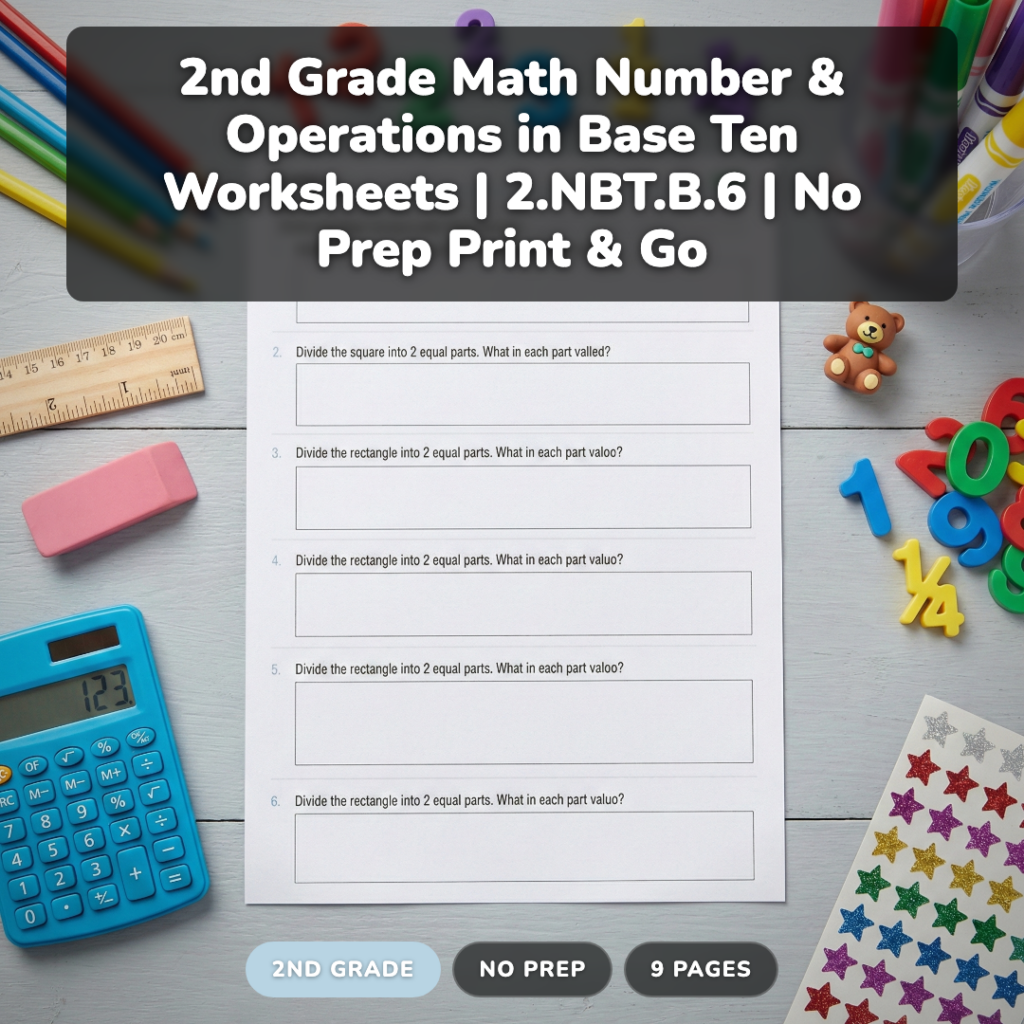
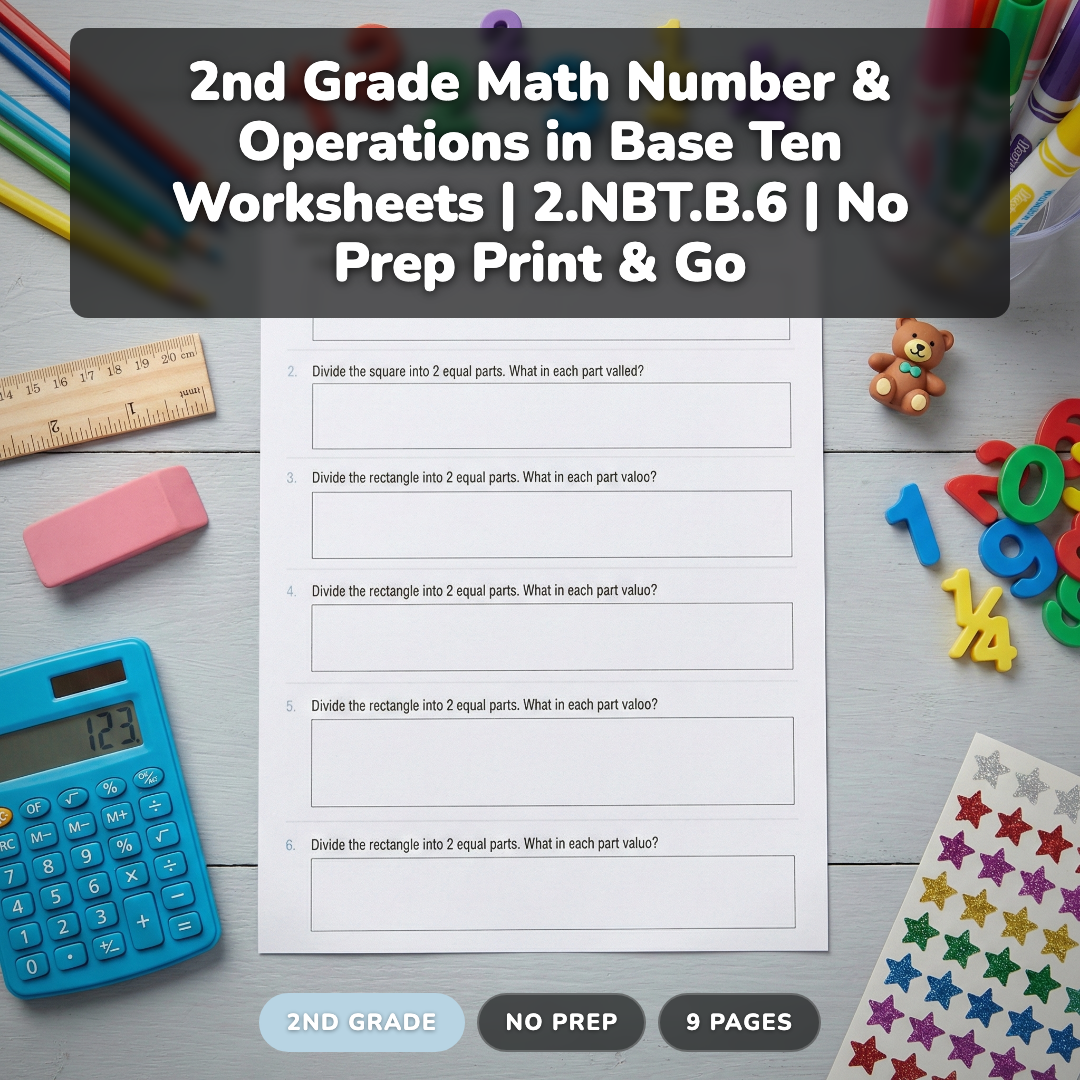
After years of creating materials for this tricky standard, I developed a comprehensive resource that takes the guesswork out of differentiating multiple two-digit addition practice. This 9-page pack includes 106 carefully crafted problems across three difficulty levels.
The Practice level offers 30 problems focusing on three addends with minimal regrouping, perfect for building initial confidence. The On-Level section provides 40 problems that fully address CCSS.Math.Content.2.NBT.B.6 with four two-digit addends and strategic regrouping opportunities. The Challenge level includes 36 advanced problems that push students to apply their understanding in new ways.
What makes this resource different is the intentional problem design — each level includes a mix of friendly number combinations, strategic regrouping practice, and real-world contexts. Answer keys are included for quick checking, and the no-prep format means you can print and use immediately.
Grab a Free Addition Sample to Try
Want to see the quality before you buy? I’ll send you a free sample with 5 problems from each difficulty level, plus my step-by-step teaching guide for introducing multiple addend problems. Drop your email below and I’ll send it right over.
Frequently Asked Questions About Teaching Multiple Two-Digit Addition
When should I introduce adding four two-digit numbers in second grade?
Introduce this skill after students master adding two two-digit numbers with regrouping, typically in February or March. Students need solid place value understanding and single-digit addition fluency before tackling CCSS.Math.Content.2.NBT.B.6 successfully.
Should students memorize the standard algorithm for multiple addend problems?
Focus on understanding place value strategies first, then introduce the algorithm as one efficient method. The standard emphasizes “strategies based on place value and properties of operations,” meaning students should understand why the algorithm works, not just memorize steps.
How do I help students who get overwhelmed by four numbers at once?
Start with three addends and use concrete manipulatives like base-ten blocks. Teach students to add in pairs first (add the first two numbers, then add the third to that sum), gradually building to all four numbers simultaneously as confidence grows.
What’s the best way to check answers for multiple addend problems?
Teach students to estimate first by rounding to the nearest ten, then compare their exact answer to the estimate. They can also add numbers in a different order or use a different strategy to verify their work.
How does this standard connect to third grade math expectations?
Mastery of CCSS.Math.Content.2.NBT.B.6 directly prepares students for CCSS.Math.Content.3.NBT.A.2, which extends addition to three-digit numbers. The same place value strategies and regrouping concepts apply, making this foundation crucial for third-grade success.
Teaching multiple two-digit addition successfully comes down to building strong place value understanding before introducing efficient strategies. When students see the patterns and logic behind the math, they develop confidence that carries forward to more complex problems.
What’s your go-to strategy for helping students tackle multiple addend problems? Remember to grab your free sample above — it includes my favorite warm-up problems for introducing this challenging but rewarding skill.